
Hence, even though alcohol might be the precursor to violence for some, it certainly takes more than the beverage to increase the likelihood of someone shooting from the hip. On the flip side, alcohol dependence commonly leads to significant withdrawal symptoms that are often side effects of alcohol addiction. Emotional withdrawal symptoms can include agitation, anxiety, depression, irritability, and tension as well as sleep disturbances, insomnia, and physical discomfort. Muscle tension, headaches, irregular heart rate and blood pressure, sleep difficulties, and the potential for heart problems alcohol induced rage or even stroke may be possible risk factors for chronic anger and emotional regulation issues.

How Rehab Helps Alcoholics with Anger Issues

Therapists received treatment manuals; four days of training including role plays, demonstrations and simulations; and supervised experience in both modalities with several clients prior to beginning the study. In order to maintain adherence to the treatment protocols, therapists referred to a condition-specific and session-specific content outline during each session. These content outlines provided reminders as to the manualized session content relevant to each therapy session. One way to limit alcohol aggression is to track how much alcohol it takes to before you become someone you don’t want to be and cut yourself off before you become a mean drunk.
- Alcohol can fuel rage or aggressive behaviors even when a person isn’t intoxicated.
- For some individuals, professional help may be necessary to address mean drunk behavior effectively.
- This therapy helps individuals understand the triggers and thought processes that lead to their aggressive behavior when drinking.
- Our reactions become sluggish, our speech may slur, and our inhibitions drop.
- If you follow true crime, you’ve heard about the notorious Murdaugh trials in South Carolina, with the latest being the trial of Alec Murdaugh convicted for killing his son and wife.
Symptoms of alcohol-induced psychosis
There is a well-documented link between alcohol abuse and aggression or violence. A report by the National Institute on Alcohol Abuse and Addiction (NIAAA) confirms that about 50% of sexual assault crimes involved individuals who had been drinking alcohol when the offense occurred. Department of Justice, about 36% of perpetrators of crime had been drinking at the time. This aggressive behavior may result in other issues, such as verbal abuse. If drinking causes a blackout, you may not even remember being aggressive unless someone reminds you about it. By perpetuating such behavior, people can end up damaging meaningful relationships — yet another effect of alcohol-based aggression.
- Reach out to a therapist, counsellor, or support group for assistance in managing this difficult circumstance.
- Keeping them away for a while can save relationships between partners, children, families and friends.
- Not all angry individuals resort to aggression, but alcohol can lower inhibitions and make it more likely for someone to act on their anger.
- This part of the brain is particularly sensitive to alcohol’s effects which can also make it difficult for those drinking alcohol to control their responses and reactions to certain emotions.
- Investigation of sex differences in neural correlates of aggression using 22 male and 20 female subjects revealed differential brain activation patterns between both the genders in response to provocation.
- Similarly, mixed findings were also reported for 5-HT1A and 5-HT2A receptor bindings (Underwood et al., 2008, 2018; Storvik et al., 2009).
Featured Programs
Becoming angry or irritable when you drink is a relatively common experience — an often-cited body of research by the World Health Organization notes that aggression has a closer link to alcohol than any other kind of psychoactive drug. In high-stress situations, it’s essential to stay calm and take a step back to assess your emotions objectively. These therapy approaches can equip you with the skills to manage alcohol addiction, overcome anger issues, and prevent relapse. Don’t hesitate to consult a mental health professional regarding the most suitable therapy option for your needs. Don’t hesitate to consult a mental health professional regarding the most suitable therapy option for your needs. Self-awareness is important for everyone’s mental health, but it is especially necessary for people with AUD and anger issues.

There are many facets to our programs, but one of them for many of our patients includes helping them understand how a given substance, such as alcohol, may be impacting their brain, thought patterns and related behaviors. How does alcohol impact things like anger and aggression in many people, and what are the possible results of this — not just for yourself, but for those around you? The most self-evident way to stop being an angry drinker is to quit drinking altogether. By ending alcohol misuse, you can make positive decisions with a clear outlook.
- It’s not caused by alcohol use, though research suggests people living with schizophrenia are nearly three times more likely to develop AUD or another substance use disorder (SUD).
- In addition, alcohol abuse and addiction can result in poor anger management skills.
- This suggested that both the women and men can be equally aggressive and alcohol does not seem to play a prominent role in the gender biases in aggression.
- FDA (Food and Drug Administration) has approved the following drugs to cope with alcohol dependence.
- One of the topics usually revolves around emotion regulation and anger management.
The Social Cocktail: Environmental Influences on Alcohol-Related Aggression
While anger and aggression are different, they can often go hand-in-hand — that is, one may lead to the other. Before we go any further, it’s important to realize that while these two terms may seem similar, they’re actually quite different in many ways. That’s not to say that one can’t lead to the https://ecosoberhouse.com/ other, but it’s crucial to understand the distinction. Not necessarily, studies show that while alcohol and aggression do, indeed, share a neurological link, not everyone gets aggressive after having a few too many.

„Trait anger“ refers to a person’s general tendency to experience chronic anger over time. An angry person tends to seek out stimuli that activate feelings of anger. This may explain why they are angry more often and act more aggressively than someone who does not have this personality trait. While it might help momentarily, as we continue to drink, the alcohol disrupts our brain chemistry, increasing our chances of feeling angry. This anger then feeds into our stress, and what do we do to alleviate the stress? So it’s not a matter of what specific drink makes you angry, but the nature of drinking itself that creates the cycle.
- Mixed models accommodated for the fact that repeated measures from each client were correlated and accommodated for missing data with maximum likelihood estimation.
- Alcohol can cause irrational aggression, resulting in domestic violence and psychological issues.
- If an intoxicated person becomes upset because the bartender refuses to serve them, help from a friend might calm them down.
- Social settings and peer pressure can create an atmosphere that encourages excessive drinking and aggressive behavior.
- This can lead to changes in behavior, making you more likely to get angry or act aggressively.
The Psychology Behind Alcohol-Induced Aggression
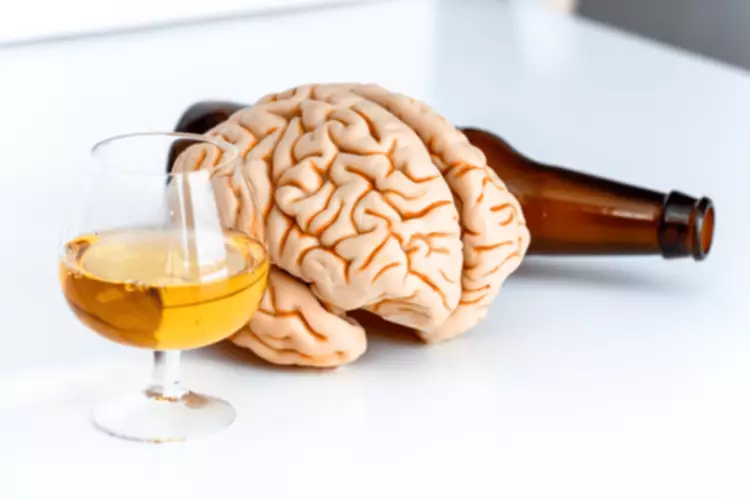
However, it’s important to remember that understanding doesn’t mean excusing harmful behavior. It’s worth noting that treatment and prevention strategies should be tailored to the individual. This is why professional guidance can be so valuable in addressing mean drunk behavior. Environmental triggers and situational factors can’t be overlooked either. Crowded, noisy bars or parties can increase stress and frustration levels, potentially leading to aggressive outbursts. Similarly, the presence of weapons or other environmental hazards can escalate Halfway house conflicts that might otherwise remain verbal.
Diagnosis and Clinical Assessments of Alcoholic Rage Syndrome
It may also be beneficial to reach out to a local domestic violence hotline or support group for advice and support. It was initially reported that women are less likely to engage in binge drinking patterns than men (Bobrova et al., 2010). However, in the recent years, data from the United States indicate that the binge-drinking rate in adult women (age 21–49 years) has been rising (Hasin et al., 2019; Sarah and Keyes, 2020). Evidence suggests that there is a little convergence in the pattern of binge drinking in men and women.


Leave a Reply